Showing posts with label Respiratory. Show all posts

Thursday, 12 April 2018

FOANed Review #23

Salim Razie reviewed the Paediaric Acute Respiratory Interention Study (PARIS) on REBEL EM this week. The PARIS trial was an un-blinded, multi-center RCT that compared standard therapy to standard therapy with high flow nasal cannula (HFNC) in children less than one year of age with bronchiolitis. The results suggest that HFNC are a safe treatment option, and that infants treated with HFNC for bronchiolitis tended to have less escalations in care (transfer to ICU). The findings were even more pronounced in hospitals that didn't have access to pediatric ICU's - Good reading for anyone that looks after kids; great reading for those in rural or community settings where pediatric ICU admission means transfer.

http://rebelem.com/the-paris-trial-hfnc-in-infants-with-bronchiolitis/


There's a great case report by Jennifer Leckie and Minh Le Cong and Viran Kaul  that was published on prehospitalmed.com. It's a brief report of an Australian ICU nurse self administering nasal lidocaine to treat a cluster headache not relieved with her usual regimen of triptans, aspirin and acetaminophen. The nurse "snorted" a 5ml tube of 2% lidocaine (100mg), assumed the "Rose position" and allowed the gel to drip down her nasopharynx. The headache was completely resolved within 50 minutes of the treatment - This may not be applicable to your practice; but it's a fun read for all the self sufficient clinicians out there.


There was a post on EMCrit this week that reopens the FOAMed discussion on the "unopposed alpha phenomena". Unopposed alpha blockade is the premise that treating stimulant toxicity (specifically cocaine) with beta-blockers puts the patients at risk for a situation where the heart's (beta driven) contractility is blocked to the point where it can't overcome the afterload generated by peripheral vascular tone (alpha driven). The EMCrit post by Jeff Lapoint is in direct response to an older post by John Richards on LITFL. Jeff raises interesting questions about equivalency fallacies, and whether we should just because we could use beta-blockers for cocaine toxicity. That being said the original LITFL post still poses a valid question in asking if blanket avoidance of bet-blockers in stimulant toxicities is indeed dogma - Regardless of which camp you're in; both posts are well worth the read for anyone interested in toxicology. 


https://emcrit.org/toxhound/cocaine-beta-blockers-dogmalysis-wont-hunt/

https://lifeinthefastlane.com/beta-blockers-cocaine-stimulant-toxicity-time-retire-old-dogma-not-care/


Gus Garmel posted some true FOANed clickbait on ALIEM with: "10 Tips to improve patient satisfaction in the emergency department". Here's the overview:

        1. Greet everyone warmly
        2. Connect with everyone in the room
        3. Sit down if you can
        4. Listen actively
        5. Take your time
        6. Ask for their perspective
        7. Use at least one empathetic statement
        8. Check in with your patient
        9. Close the communication loop
        10. Show kindness & respect
- There's probably a lot here you do already, but it's nice to have it presented in a way that's easy to connect to - an easy read that's applicable to all clinicians.


Matt Douma offered up some experienced provider tips on ACLS at RescueScience. These tips and tricks are not intended for those new to, or attending their first ACLS class; rather it's further reading and the science behind the recommendations intended for those with ACLS "mastery". There are some good clinical pearls for maximising team dynamics: pre-charging the defibrillator, DSD pad placement, and how to cognitively offload the algorithm to focus on reversible causes - A great post for those comfortable with ACLS content and looking to augment whats taught on standard courses.


http://rescuescience.org/2018/04/11/advanced-life-support-course-2015-instructor-notes-for-aptil-10th-11th-class/


Tuesday, 12 July 2016

OPA sizing


Orolpharyngeal Airways (OPA's) are one of the most simple and commonly used supraglottic airways in emergency medicine. OPA's are a semi-rigid tube that maintain the airway patency of unconscious patients by preventing the tongue from relaxing back and occluding the glottis. They have been in use since 1933 (Guedel), yet there is little consensus as to the best method for estimating the correct size.

There are several landmarking methods recommended internationally, with differing bodies suggesting one or more of the following techniques:

         1. Corner of the mouth to the angle of the mandible (MM) - AHA

         2. Corner of the mouth to the tip of the earlobe (ME)- Red Cross

         3. Front of the maxillary incisors to the angle of the mandible (IM) - ERC

These landmarking guides have been in use for quiet some time; although there has been no direct evidence, until now, on how well each measuring method approximates the patients actual airway length.

A group from Yonsei university has helped to shed some light on this dogmatic practice. Their study, recently published a study in the European Journal of Anesthesiology, examined how closely two different OPA sizing techniques estimated a patients overall airway length. The two methods used were: the corner of the mouth to angle of the mandible (MM); and tip of the maxillary incisors to the angle of the mandible (IM). Primary outcome measures were adequacy of ventilation, degree of airway obstruction, trauma to the airway, and distance of the OPA from the epiglottis. This was a prospective randomized crossover study of 113 patients. The population was drawn from a pool of individuals undergoing elective surgery. Patients with any form of functional limitation, airway abnormality, history of difficult intubation, c-spine injury, dental problems, or anticipated difficulty were excluded. The patients were than randomly assigned to have and OPA sized and inserted using either the MM or the IM method of sizing. Prior to surgery all patients had standard monitoring (NIBP, Pulse Oximetry, and ECG) initiated and anesthesia induced. Once paralysis was confirmed a physician blinded to experimental group ventilated each patient without an airway; both manually with a BVM, as well as mechanically, and graded the compliance of the patients airway  (control). OPA's were than inserted in a uniform manner (inverted with 180 degree rotation at the hard palate) and airway compliance was again graded using both manual and mechanical ventilations. Airway placement was than assessed using bronchoscopy to determine the difference between the OPA length and the tip of the epiglottis. The OPA was than removed and the airway was examined for any trauma.

Although both techniques for OPA insertion yielded better ventilation compliance than no airway at all, the IM group tended to have better ventilatory compliance and closer approximation to actual airway size. Because the IM group tended to receive longer airways there were instances of the OPA passing beyond the epiglottis (is this a risk?), although the shorter length airway in the MM group saw ~38% of patients have a fully occluded airway.


This study appears to be the first one that examines the correlation between anatomical measurements and airway length. It is well designed in that it uses patients as their own control. However it has a small sample size, and the patients were all well without airway difficulties. Additionally the sizing method may not fairly represent the commonly held method as airway size was rounded down to the nearest size; whereas, anecdotally at least, I have always been taught to round up to the nearest size, Furthermore the airway obstructions impacted only the mechanically ventilated patients, as all manually provided breaths were successful. These concerns notwithstanding this is the first study to validate how well different OPA sizing methods are. It would seem to suggest that the IM method for estimating OPA size is superior to the MM method, because this an easily disseminated and adopted practice, and there is an absence of foreseeable harm associated with one technique over the other I would suggest that this is a practice change that should be embraced by clinicians across all levels of care.


Deakin, C. D., Nolan, J. P., Soar, J., Sunde, K., Koster, R. W., Smith, G. B., & Perkins, G. D. (2010). European resuscitation council guidelines for resuscitation 2010 section 4. Adult advanced life support. Resuscitation,81(10), 1305-1352.

Guedel, A. E. (1933). A nontraumatic pharyngeal airway. Journal of the American Medical Association100(23), 1862-1862.

Kim, H. J., Kim, S. H., Min, N. H., & Park, W. K. (2016). Determination of the appropriate sizes of oropharyngeal airways in adults: correlation with external facial measurements: A randomised crossover study. European journal of anaesthesiology.

Neumar, R. W., Otto, C. W., Link, M. S., Kronick, S. L., Shuster, M., Callaway, C. W., ... & Passman, R. S. (2010). Part 8: Adult advanced cardiovascular life support 2010 American Heart Association guidelines for cardiopulmonary resuscitation and emergency cardiovascular care.Circulation122(18 suppl 3), S729-S767.

Red Cross

Thursday, 15 October 2015

Weekly Review #20

A systematic review in the BMJ examined how well health professionals understand diagnostic tests. Using “statistics”, “healthcare”, and “accuracy” keywords the reviewers searched EMBASE, PsycINFO, and MEDLINE databases identifying 4818 hits. 74 were reviewed as potentially relevant based on title and abstract, with 28 meeting full inclusion criteria. Due to the heterogeneity of studies the systematic review was limited to presenting its findings in narrative format. The authors categorized the findings into four themes: self-rating, accuracy of definition, Bayesian reasoning, and presentation format categories. 

Two studies examined clinicians’ self-reported familiarity of statistical measures. In one study 13/50 clinicians reported understanding sensitivity, specificity, and positive predictive value; although only one was able to provide a correct definition when asked to do so. The other study found that only 58% of clinicians actually used statistical measures in their practice (although 82% claimed to do so). 

6 studies examined clinicians’ understanding of statistical definitions; they found that on average clinicians could provide a correct definition for sensitivity 76-88% of the time, specificity 80-88% of the time, but only 17% could correctly identify the correct definition for likelihood ratios.

22 studies examined how well clinicians’ were able to use pre-test probability and test accuracy to determine post-test probability (Bayesian reasoning). The studies found that in general clinicians had a poor understanding of Bayesian reasoning and were unable to determine post-test likelihood the majority of the time (0-61% success), clinicians also tended to overestimate post-test probability by 46-73%, and in one study clinicians inverted the likelihoods incorrectly interpreting patients with negative results as having a higher post-test likelihood of having a disease.

The 5 studies that examined presentation format found that healthcare providers were more accurate in their post-test estimates if the findings were expressed as natural frequencies (50 out of 100) rather than as probabilities (50%). The use of graphical aides improved clinician post-test accuracy to 73% compared to 48% when natural frequencies alone were used to communicated test power, or 23% when probabilistic language was used to describe tests.

This systematic review suggests that not only are we as healthcare providers poor at using probabilistic reasoning; but that we’re also oblivious to our weakness in this area. As a nurse I know that the preparation I received in school to interpret and use statistics was severely lacking. This research, which focused primarily on physicians, would suggest that this is a common area of weakness. This research highlights how little we all know about the tools we use on a daily basis, it may also shed some light on why so few of our colleagues engage with research, and I would suggest that most importantly it empirically shows that we could all use some brushing up on how to use statistics. I’ve covered some great resources to help with this is a few previous weekly reviews (#4 & #6) and would suggest that anyone looking for a brief intro into using Bayesian statistics take a look at the first few chapters of this online book


Steve Mathieu reviewed the HEAT trial of acetaminophen for fever in critically ill patients on The Bottom Line Review. This study was a double blind RCT of 700 patients that sought to determine if the administration of paracetamol to critically ill patients had any effect on: ICU free days, mortality, length of stay (LOS), number of days on organ support, and its effect on lab values and temperature. Patients were block randomized to receive either 1g IV paracetamol, or IV D5W every 6hrs for 28 days or until: ICU discharge, fever resolution, cessation of antibiotics, death, or contraindication. The study found no statistical difference in mortality, LOS, ICU free days, or organ support, although patients who received paracetamol had a lower (0.25C) average temperature. This research is contrary to a retrospective study published earlier this year that found a mortality benefit associated with paracetamol administration, it has a much higher quality design, and is one that I've been waiting to see published. Mathieu's summary of this research is concise, easy to interpret, and very timely; the summaries on this site are consistently of very high quality, this review and the site in general are a fantastic resource.

http://www.wessexics.com/The_Bottom_Line/Review/index.php?id=7257804966227311886


A retrospective analysis of tourniquet use in the pre-hospital setting was published in the Journal of Acute Care Surgery this month. Ode et al., examined the EMS use of tourniquets in a metro North Carolina ambulance service during 2012-2013. They examined patients with uncontrolled hemorrhage to determine the frequency of “correct” tourniquet (Tk) application, the efficacy of Tk as a treatment, and the frequency of Tk related adverse outcomes. 98 patients met the inclusion criteria (uncontrolled hemorrhage), 42 were excluded because they were treated outside of the metro area. Of the remaining 56 patient: 24 received a Tk (19 Combat Application Tourniquet, 5 improvised), although 5 were deemed unnecessary (the patients weren’t in shock - SBP>80mmHg) and 4 were delayed. Of the 32 who didn’t receive tourniquets three were indicated, but did not receive treatment.

The patients treated with a Tk, compared to those not, had significantly higher rates of: shock (50 vs 12.5%), vascular injury (69.6 vs 25.8%), blood transfusion (37.5 vs 9.4%), rates of admission (77.3 vs 38.7%), and mortality (8.3 vs 3.1%). None of these findings are surprising given that the protocol for application of a Tk was quiet conservative, requiring patients to be in shock, and therefore significantly sicker. Secondary analyses showed that patients who were indicated to receive a Tk but didn’t had higher incidence of shock compared to those who did (85.7 vs 60%), and that those who weren’t indicated (not in shock) but did receive a treatment by tourniquet had no adverse outcome as a result.

Due to the overly conservative treatment protocols, the small sample size, and the lack of an equivalent control arm the primary results of this study have little to contribute to the overall body of evidence for Tk use in civilian trauma. The secondary analysis does show worse outcomes for patients with missed Tk’s, and no complications associated with liberal Tk (non-indicated) use; although the numbers (n=22) are too small to reach statistical significance. From a clinical perspective this research would seem, in a small way, to support that liberal Tk use isn’t associated with worse outcomes, and that even extremely conservative (only once shock becomes apparent) Tk use imparts benefit. From a practical perspective this research provides weak evidence to support Tk use in civilian trauma, it also suggests that the current military research may be generalizable to the civilian population, and indirectly it would seem to suggest the need for a liberalization of Tk protocols among EMS services. 

http://www.ncbi.nlm.nih.gov/pubmed/26402532


Using the current VW emission scandal as a comparison piece Richard Smith offered a critique of scientific misconduct on his BMJ blog, and suggests that scientists should face criminal charges if found guilty. Criminal charges have been used to punish scientific misconduct before, as was the case with June Dong-Pyou Hon’s faking of HIV immunization results; and Smith offers three additional reasons why misconduct should be investigated criminally: Because inappropriate use of research funding is financial fraud, because universities are poorly equipped to conduct investigations, and because investigations by the university would be a conflict of interest. I would also suggest that there is a basis for criminal charge based on harm to the patient, for example the intentional non-disclosure of the increased risk for suicide when paroxetine is used to treat pediatric depression, and Andrew Wakefield's fabrication of evidence that immunizations result in autism. A thoughtful and timely piece by Smith, maybe one that will find increased traction.

http://blogs.bmj.com/bmj/2015/09/28/richard-smith-if-volkswagen-staff-can-be-criminally-charged-so-should-fraudulent-scientists/?utm_source=feedburner&utm_medium=feed&utm_campaign=Feed%3A+bmj%2Fblogs+%28Latest+BMJ+blogs%29&g=w_blogs_bmj-com


On the Trauma Professionals Blog Micheal McGonigal discusses the reflexive way that many clinicians treat low oxygen saturation readings. He discusses factors that can result in artificially low reading, patient groups where a low reading is normal, the absence of a good definition of "normal values", and suggests that if the patient is not distressed on examination they likely don't need supplemental oxygen. This is a quick reminder to treat the patient and not the number.

Mark Culver discussed the differences between intermittent and continuous PPI therapy for UGIB on Emergency Medicine PharmD. There has been a fair bit of research into this topic lately, and UpToDate had suggested changing practice from continuous to intermittent PPI therapy last year; however the practice remains widespread. This post offers a great review of the research behind the change in recommendations. The cost savings, and reduction in nurse time this practice change could result in make this post well worth the read.

There was a podcast review of fluid resuscitation in hemorrhagic shock on HEFTEMCAST. This podcast reviews the key evidence and discusses the concepts of: damage control resuscitation: permissive hypotension, hemostatic resuscitation, and damage control surgery. The review includes seminal work from the military as well as evidence from civilian trauma, it nicely summarizes the key literature, and provides links to the source research. This 16 minute review is well worth a review for anyone working in an emergency settings.

Josh Farkas offered a well balanced review of the SPLIT trial on PulmCrit. The SPLIT trial examined the differences between PlasmaLyte and Saline in patients admitted to the ICU, and found that there was no significant difference between the two fluids. Farkas acknowledges that the findings are valid among the patients reviewed, but critiques the external validity of the study; he points out that the small volumes of fluid received, the admission reason (elective post-operative), and the low illness severity observed among the patients in this cohort are not generalizable to the typical ICU population.


Sunday, 13 September 2015

Weekly Review #17


This is an older post, by Micheal Douma, of a NENA presentation on abdominal-pelvic trauma. The presentation at it's core is a summary of basic hemorrhage control, and a discussion about the degree of force required to provide adequate compression to control hemorrhage. Specifically though Douma discusses controlling abdominal pelvic hemorrhage with External Aortic Compression (EAC). EAC is, in short, pressure applied to the aorta using a fist (landmarking from the umbilicus) with arms locked as though providing CPR. Effective aortic occlusion requires 80-120lbs of force, and requires constant pressure (Douma has a great graph on occlusion techniques).

Maintaining this pressure is of course difficult during transportation and resuscitation, so Douma covers some of the emerging technologies that seek to accomplish this task (REBOA, junctional clamps and tourniquets, and stasis foams). Unfortunately there is no discussion about when to use EAC, perhaps due to the research being in it's infancy, but it's something you might consider when faced with extremity or pelvic hemorrhage not controlled by binding, or tourniquet.

There are two messages here that I think are important for nurses: the first is obviously that there is a role for direct arterial pressure in hemorrhage control, which sometimes needs to be applied proximal to the injury, even if that means occluding the aorta. The second point is that controlling hemorrhage begins with basic techniques performed well, which requires a surprising amount of force - if your bandages are soaking through, you need to press harder. Douma quantifies what we would often teach in TCCC, the use of knees to provide this consistent pressure, he shows that it provides extremely effective transfer of weight, as an added benefit it frees your hands up for other tasks.

I often see hemorrhage control poorly performed (bandages aren't for absorbing blood, they're for providing pressure), I've seen the deadly consequences of pelvic trauma with overt or occult hemorrhage, and would encourage all nurses to pay attention to the messages in this post.

http://rescuescience.org/2015/06/06/nena-external-aortic-compression-presentation/


BoringEM had a post by Martin Badowski this week discussing delirium. Delirium is an acute, fluctuating change in cognition that effects ~10% of older adults in the ED, it's associated with a three fold increase in 6 month mortality and is identified in less than half of the patients (17-35%) who present with it. This post discusses the diagnostic strengths and weaknesses of different diagnostic tools (CAM, CAM-ICU, mCAM-ED, MMSE, DTS+bCAM), and offer a mnemonic to approach differentials: I WATCH DEATH

Infection - UTI, pneumonia,
Withdrawal - BZD, EtOH, hypnotics,
Acute Metabolic - Hyper/hypoglycemia, electrolyte derangement,
                           Toxins - Alcohol, recreational drugs, or prescription interactions,
                           CNS - Tumor/lesions, CVA, Infection,
                           Hypoxia - anemia, hypotension, pulmonary/cardiac failure,
                           Deficiencies - Thiamine, B12,
                           Endocrine - Adrenal, thyroid, parathyroid,
                           Acute Vascular - Shock,
                           Trauma,
                           Heavy Metals.

I have found other mnemonic a little easier to remember when it comes to assessing delirium (see AliEM post on Weekly Review 11), but this post really shines in it's discussion of the diagnostic tools, where it discusses the predictive value for each in detail. A great post for nurses working in emergency to brush up on delirium screening.

http://boringem.org/2015/09/07/medical-concept-delirium-tips-and-tools/


In an older post on Pacific Emergency Medical Training Doug Fraser discusses "big vs. small box" EMS education. The small box approach Fraser says is the classic protocol driven reductionist approach to EMS: defining your role by the "things you can do". On the other hand the "big box" approach to providing care requires that an appreciation of your role within the system as a whole, and by necessity the roles of others. This may mean building an understanding of procedures that are beyond your scope of practice, and understanding aspects of practice that you are not part of. When we do this he asserts we open the door to sharing knowledge with other professionals, we learn from them in either a direct or an indirect manner. and become better at our own job. He uses a person example of airway management, discussing how as a BLS paramedic he's learned the finer points of ventilating from anesthesiologists, while being able to bring new ideas to ALS paramedics. This idea spans all health care professions, and echos the very core message of FOAMed, as indeed upstairs care downstairs can only happen when we take an interest in what others are doing.

http://www.pacificemergencymedicaltraining.com/?page_id=15


Seth Trueger from MDAware contributed to the ongoing EM mindset series on emDocs. He discusses the role of addressing the mundane in EM, stratifying risk, and coordinating care, and his unifying theme of balancing limited time with clinical uncertainty is a great message for all healthcare providers. Truger discusses the mental process for deciding if patients need intervention, diagnostics, or transfer and suggests that if you're spending a prolonged amount of time making the decision you should probably err to the side of caution and go for it; this message I think is directly translatable to nursing. I've witnessed nurses debate calling a physician about a deteriorating patient: if there's that much question go ahead, do it, then use your mental effort and time doing something that helps the patient. His idea that the time spent doing something unimportant takes away from the you have to do something important is spot on, a great take home message.

http://www.emdocs.net/em-mindset-seth-trueger-resuscitation-risk-stratification-care-coordination/


There was a discussion on Taming the SRU by Matthew Stull about approaching the undifferentiated patient. This is a great discussion about how to perform a history and physical assessment in the ED, what he himself always does in clinical practice, and what can be omitted. I really appreciated the opening discussion about avoiding corollary information before assessing the patient. By avoiding reading too in depth into the chart Stull asserts that you're less likely to become biased toward the patient and their presentation. I think this is important because cognitive anchoring can easily lead a clinician to wrongly attribute signs and symptoms to chronic conditions and previous visits. I think this is a great message for nurses, we all have repeat patients who present with intoxication, but it doesn't mean that those people aren't presenting with acute conditions such as head injuries.

http://www.tamingthesru.com/blog/bread-and-butter/undifferentiated-patient


EMin5 discussed preparing for RSI using the SOAPME mnemonic (Suction, Oxygen, Airway, Positioning, Meds, Equipment/EtCO2). A nice succinct review of how to set up your equipment, medications, and patient.

It's been a couple of weeks since having a post on caring for obese patients. If you're needing a fix check out this EMC podcast. It has a great overview on adjusting your practice in relation to vitals, airway interventions, and medication dosing.

Check out the discussion on BIJC about the difference between hemoglobin and hematocrit values (spoiler alert: there is none).

There's some new research this week from Matthew Douma on the efficacy of "double-barreled" dual IO therapy, there's a nice review of this research on the Trauma Pro's blog.

A St.Emlyn's post discussed strategies for maximizing your sleep. It offers suggestions on sleep hygiene, discusses the negative consequences of sleep deficit, and offers tips for adjusting to rotating day night schedules. This is something many nurses may find helpful.

And finally, a 7 year prospective population study in China published in the BMJ found that those who more frequently ate spicy food had lower all cause mortality than those who did not. This study includes a large number of patients (half a million) and examined consumption of fresh or dried chili when assessing for spicy food. There are of course a number of factors (urban vs rural) that could be confounders in this study, and it's not really FOANed per-se; but hey it's a reason to eat some hot wings this weekend.

Friday, 28 August 2015

Weekly Review #15


I've worked in sites that use recorded shift reports - they're ridiculous: first you spend 10 minutes recording it, then I spend 10 minutes listening to it, and then we end up talking about it for another 10 minutes so you can answer my questions and give me updates. 30 minutes instead of just a 15 minute in-person handover! I've always hated them; but now I have some evidence to support my dislike for them: an article by Judymae Ofori-Atta discussing the superiority of person to person bedside reports (BSR). Bedside reports are given between nurses in the presence of the patient and family they've been shown to improve work flow and patient safety, as well as patient involvement and satisfaction: a win all round, and applicable to all nurses. Hopefully this helps you bury the voice recorder for good!

http://journals.lww.com/nursing/Fulltext/2015/08000/Bedside_shift_report__Implications_for_patient.20.aspx


There was an online article published in the Journal of Emergency Medical Services by Douglas Dixon and Darren Braude on managing the airway of bariatric patients. Nursing considerations of bariatric patients has become a recurrent theme here: last week I discussed a REBELCast review of the accuracy of the Broslow Tape in estimating weight in obese children, and a review from the Nurse Path post on surgical considerations in weekly review 8. This article focuses specifically on airway management. Dixon and Braude start with a brief overview of the epidemiology of obesity and the physiological changes that accompany it: a reduced functional residual capacity due to decreased chest wall compliance and reduced diaphragm movement. Because of these changes obese patients will more quickly become hypoxic and will need extra attention paid to optimizing their ventilatory effort. They make some suggestions on positioning (ramped, or reverse trendelenberg), discuss how three handed BVM ventilation may be necessary to maintain good mask seal and overcome increased airway resistance, how to provide apneic oxygenation with high flow nasal cannula, and how drug dosing for RSI may need to be adjusted from total to ideal body weight (the Nurse Path post has a great overview of this). This is a good starting point if you're looking for tips for bariatric patients, and a good reminder to attend to patient position, especially for nurses working in the ED where patients may not always be able to adjust the position of the cot on their own.

http://www.jems.com/articles/print/volume-40/issue-8/features/bariatric-airway-management-is-about-more-than-intubation.html?cmpid=jemsnowenl08202015&eid=288528567&bid=1157558  


There was a great mnemonic (MADE NICER) created by Anali Maneshi and Matthew Cherian posted on BoringEM this week. It's a mnemonic to help assess possible differentials for geriatric patients presenting with weakness:

Medication - Screen for medication causes: steroids, statins, antipsychotics, diuretics, insulin, opioids, and sedatives; assess for recent dosage changes,
Anemia - Either due to blood loss (overt or occult), or impaired production malignancy, nutritional deficiency,
Dehydration - Diarrhea, diuretics, or vomiting,
Endocrine - Hyper/hypoglycemia, adrenal insufficiency, hypothyroidism can all cause glucose/electrolyte derangement,
Neurological conditions - Acute (stroke, SAH) and chronic conditions (lesion, MS, Parkinsons, etc) can result in weakness,
                                 Infection - Any infection can result in weakness,
                                 Cardiac - Presyncope from cardiac cause, angina or atypical MI presentation (malaise), and CHF may present as weakness,
                                 Electrolyte imbalance
                                 Rheumatological - SLE temporal arteritis

The typical ED will see a large number of geriatric patients, they're less capable of tolerating challenges to their systems, may be multiply co-morbid, and may have medications masking or contributing to their physical findings; having a mnemonic to help work through differential causes for a common presenting complaint is useful for all ED nurses when attempting to triage a vague complaint.

http://boringem.org/2015/08/24/tiny-tips-weakness-made-nicer/


There's been an increasing number of deaths in Canada recently from intentional and unintentional use of fentanyl. There is starting to be some reaction from the medical community, as studies are showing a 4% mortality rate associated with prescribed large doses of opioids. However there is still a large volume of diverted narcotics that are finding their way into other recreational drugs. The news is likely not news for many; but it is an excellent segue to highlight some more research on low dose titrated naloxone for opioid toxicity in the ED. A summary and how to for titrated naloxone can be found in a post by ALiEMWorth a read for nurses working in the ED, also worth remembering is that obtunded patients without a history of narcotic use may still have unintentionally ingested fentanyl.

http://www.cbc.ca/news/canada/edmonton/alberta-slow-to-react-to-sharp-rise-in-fentanyl-deaths-critics-say-1.3191075


There was a podcast by Brian Ericson on erNURSEpro posted this week discussing hyponatremia, one of the most common electrolyte imbalances seen in the ED. The discussion begins with a discussion about the difference between acute and chronic hyponatremia, classification and explanation of  the differences between hypo/hyper/normo-tonic and hypo/hyper/eu-volemic hyponatremia. There is a discussion about the causes of hyponatremia: pre-renal (excess sweating/diarrhea/burns etc); versus renal (CRF/addisons disease/etc), neurogenic causes (SIADH), treatment, as well as the complications associated with correcting sodium. Brian discusses the difference in acute vs. chronic hyponatremia, and offers a great clinical pearl on suspecting hyponatremia in seizing patients who are not responding to benzo's. This is a great podcast, a little too in depth to fully absorb while driving; but worth the 25 minutes when you have some time to dedicated to listening. 

http://www.ernursepro.com/#!podcast-episodes/c1enr


I came across a blog called Rescue Science) by Matthew Douma with some great posts that I'm looking forward to reviewing in more detail in coming weeks. There's some standout posts on dead space in IV extensionsmethods for pushing adenosineand a fantastic review of the role for external aortic pressure in junctional bleeds to check out. Some of these have been out for a while, but they're directly applicable to nursing practice, thorough and well written. An awesome resource, I'm looking forward to future posts.

Check out Injectable Orange this week for a review of Sketchy EBM. I would also like to congratulate Jesse on winning the Symplur Signals Research Challenge

Ian Miller from the Nurse Path has 28 step guide to hanging an IV that is pretty well spot on for your first shift back, as well as some tips for handling messy situations. I'm glad to see you up and running on Facebook again!

CriticalEd had a discussion about the role of a "nurse curator" in staff development: what it is, what the role would include, what to call it etc. An exciting idea to suggest a formalized role for FOANed in clinical practice. Give it a read, he's looking for feedback and suggestions if you have any. 

Friday, 21 August 2015

Weekly Review #14


Anaphylaxis is a fairly common presentation, in a previous post I reviewed Justin Morgenstern's (First10EM) post on the basics of managing these patients (Weekly Review #10). This week Brad Sobolewski's goes more in depth and discusses the evidence for using IM epi in anaphylaxis on Pediatric Emergency Medicine Blog (PEMBlog). While this post doesn't add a great to Morgenstern's general approach; it does add is a great review of the cornerstone of treatment: IM epi. Brad covers the typical dosing for adult and pediatric patients, the difference between SC and IM absorption rates, and epi's mechanism of action. He provides current evidence to support early epi administration, as well as his rationale for why you really can't go wrong in giving it. This is a succinct review, well worth a read either in conjunction with the post by EM in 10, or in isolation.

http://www.pemcincinnati.com/blog/why-we-do-what-we-do-epinephrine-in-anaphylaxis/


There was a video posted by Minh Le Cong on Pre-Hospital and Retrieval Medicine (PHARM) in response to a tweet made by Mike Abernethy. The video shows how to create PIP, and maintain PEEP using a high flow nasal cannula and occlusive dressing or bag. This is not something you will be likely to need in a metro center; but  I've worked in isolated and remote areas without access to Bi/CPAP, were techniques such as this could have been useful. If you find this video interesting I would suggest another video, posted by Scott Weingarton using high flow nasal cannula with a BVM. A good technique to know for nurses working in austere, isolated or remote areas.

http://prehospitalmed.com/2015/08/17/crashing-heart-failure-patient-no-cpap-no-problem-macgyver-it/


There was a post on Songs or Stories showcasing some tips and tricks for pediatric IV cannulation. Some of the fundamentals of good IV technique are covered here: correct preparation, position and anchoring. There are also some suggestions on anatomical references, the use of ultrasound, and a few others novel techniques that may be new to you. Worthwhile for all nurses as the tips can be used across patient populations.

http://songsorstories.com/2015/08/15/top-tricks-for-little-pricks/


In part 2 of his REBELCast Salim Rezaie discussed the effectiveness of using a length based tools, the Broslow Tape (BT), to estimate the weight of children. This was a review of a 2012 Canadian study that compared the actual weights of pediatric populations to their estimated weight using the BT. What they found was that on average weights were underestimated by ~7%. Even more importantly they found that 43.7% of patients had estimated weights 10% or greater different than their actual weight. This error in estimation could result in the under-dosing of patients in medication, electricity, and equipment size. Rezaie acknowledges that the BT is an estimation tool, that when used in an emergency or resuscitation situation will be accurate enough; however he does recommend getting a true weight on pediatric patients whenever possible. I would also suggest that the difference in weight also raises the concern of composition. As obesity will have an effect on not only total weight, but also ideal body weight, and total body water, which can have an impact of pharmacokinetics. There was a great review posted by Ian Miller from the Nurse Path (weekly review 8) that discusses these concerns from a nursing perspective in greater detail. The podcast by Salim Rezaie will be of interest to nurses working in pediatrics or emergency; the review from Ian Miller to all nurses.

http://rebelem.com/august-2015-rebelcast/


Justin Morgenstern discussed the management of life threatening asthma on First10EM. He starts with a review of the ABC's of care, provides a brief description of inhaled bronchodilators and the roll of epi.  The discussion about the definitive management of the airway and breathing is comprehensive, and this is where the post truly shines. He discusses why a conservative approach to airway management is warranted, offers suggestions for providing NIPPV, and discusses ventilator settings in the event the patient is intubated. There are great links to additional resources, as well as a summary of typical medications and dosages. Although there is little mention of the nursing role in managing these patients, I think it's still worth a read for emergency nurses: primarily for its review of ventilator settings.

http://first10em.com/2015/08/18/asthma/#more-661


I like the EM mindset series of posts on emDocs (Weekly Review #4). This week Daniel Cabrera had a post discussing "organizing chaos"; the triage process of identifying meaningful information using context, identifying priorities, and handling the fear of uncertainty. This is a post that will resonate beyond the emergency department walls, something that all care providers working in an overtaxed system can identify with.

http://www.emdocs.net/em-mindset-daniel-cabrera-the-chaos-organizer-and-the-fear-tamer/


PBS NewsHour ran a news story by Shefali Luthra about the difficulty of getting sleep in hospital. This is basically a discussion about the need for frequent checks on patients. I understand the sentiment of the author, who lamented their lack of sleep while admitted to the hospital, the loud and bright environment, and the frequent unnecessary interruptions to their sleep for routine care. As the person causing these interruptions to rest I acknowledge that there is a role for nurses to play in reducing them: by clustering care, being mindful to minimize noise, and in many cases by discussing with the responsible physician if the required frequency of assessment and medication administration is appropriate to the acuity of the patient.

http://www.pbs.org/newshour/updates/wont-hospitals-let-patients-sleep/#.VdNoMkXJE_A.twitter

Friday, 14 August 2015

Weekly Review #13

I quite like the EM in 5 site, they have brief, to the point tutorials discussing clinical topics. this week Anna Pickens discussed the assessment of chest pain, and ruling out the "deadly 6": Acute MI, pneumothorax, myocarditis/pericarditis/pericardial effusion, aortic dissection, and esophageal rupture. This post is a short video that starts by discussing a general approach to physical assessment and history taking, moves on to discussing the clinical features for each of the deadly differentials, and finishes with suggestions on diagnoses using cardinal findings, labs, and diagnostic imaging methods. I think this is a great review for nurses: it's clear, concise, and reviews foundational knowledge, well worth the 5 minutes.

http://emin5.com/2015/08/05/approach-to-chest-pain/


There was a nice review of managing asthma exacerbation by Anand Swaminathan posted simultaneously on both Core EM and REBEL EM this week. The post starts with a discussion of the epidemiology and pathophysiology of asthma exacerbation, discusses typical presentation features, reviews the fundamentals of medical management, and finishes with follow-up and discharge recommendations. This is a clear and concise review of the medications typically used for acute asthma exacerbations, their doses, mechanisms of action, and side effects. A great review for any nurse working in emergency.

http://coreem.net/core/basic-asthma-management/


Julie Miller published a review in Nursing 2015 of some dogmatic practices and controversies "sacred cows" of nursing practice. In this article she discusses the results of a 2356 nurse survey designed to assess nurses understanding of current best practices. This article is very readable, the content is presented as the original true/false question (as seen on the questionnaire), the percentage of responses as true/false, and a discussion of the correct answer with accompanying rationale and relevant research. This is a quick easy read, and the content reviewed is applicable to almost all fields of nursing. This is FOANed at it's finest!

http://journals.lww.com/nursing/Fulltext/2015/08000/20_questions__Evidence_based_practice_or_sacred.13.aspx


There are new NICE (National Institute for Health and Care Excellence) trauma guidelines out. St.Emlyn's provides links to the source documents: the full guidelines, key recommendations, and evidence behind the recommendations; as well as a brief synopsis of some of the recommendations. They strongly (thankfully) recommend against crystalloid fluids in actively hemorrhaging patients, endorse restrictive approaches to volume resuscitation, support early IO access, and TXA within 3 hours of injury. Well worth a read for all nurses working in Emergency/Trauma to keep abreast of current practice recommendations.


http://stemlynsblog.org/speak-up-nice-guidance-major-trauma/


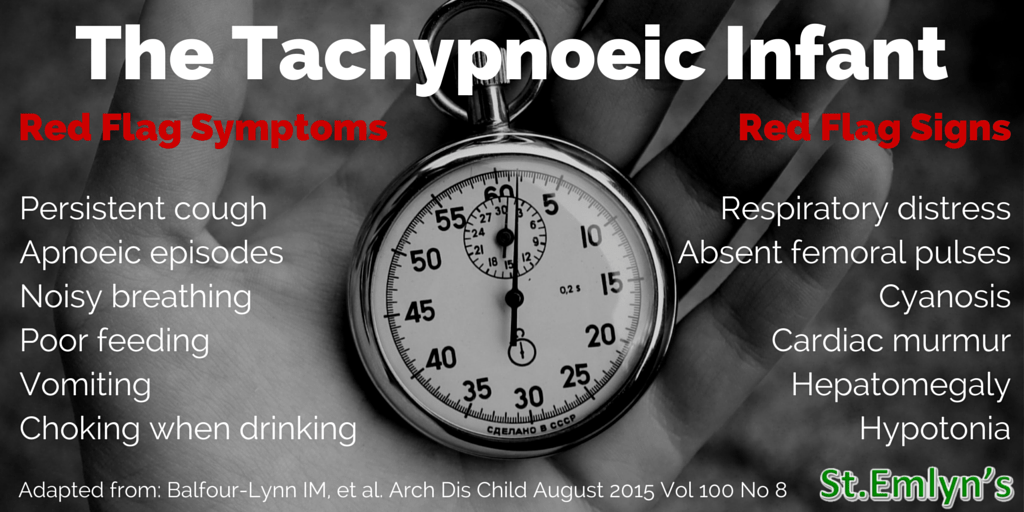
Journal club at st emlyn's-4St. Emyln's also had a two part review of the value of respiratory rate as a vital sign in the pediatric population. In these two posts Natalie May discusses a couple of articles that came out this month discussing raised respiratory rate in infants. She discusses and summarizes the key points discussed in the studies:

- Tachypnea can be a normal finding: Periodic breathing,
- That respiratory rate should be assessed using auscultation, and by listening for 60 seconds (In part two there's a great discussion about how terminal digit preference shows that we're not),
- Some tips on physical assessments and diagnostics to rule out life threatening processes,
- Suggestions on follow up once life threatening processes have been ruled out.

This is a great review, the source content is freely available, the review is succinct and highly applicable to nurses working in emergency, another great read.

http://stemlynsblog.org/jc-dont-write-off-the-respiratory-rate-1/

http://stemlynsblog.org/jc-dont-write-off-the-respiratory-rate-2/

Friday, 24 July 2015

Weekly Review #10


I listened to a podcast by Dr Jason Frank presented on the International Clinical Educator Network. The discussion reviewed an article on educational strategies to improve clinical reasoning. The article in question didn't discuss how they chose their strategies, or which strategies are most effective, so I don't think that the discussion can be appreciated in a meaningfully empirical manner. However there are strategies for teaching, and learning, covered in this podcast. The discuss focuses on 7 concepts of teaching:

Dual processing Model: The rapid interpretation of information through heuristics; and the slow analysis of novel information, with strategies to help learners switch between the two.
Conscious competence model: The movement from unconsciously incompetent to differing levels of competence. There is a great discussion about how peer learning, and how being able to remember being a new learner is a valuable tool for teachers.
Knowledge Organization: Different tools to structure knowledge of illness to typical presentations and the diagnoses.
Data Gathering and Data Processing: The use of standardized approaches and mnemonics to guide history taking and physical assessment, and how to filter through information to decide what information is pertinent to the clinical presentation.
Metacognition: Different ways to approach how you're reasoning through a clinical encounter.

This is a relatively quick podcast, the strategies for teaching are easily applied to learning. I think clinical reasoning is something that is continually perfected, and that there's something here for all learners.


There was a study published in the BMJ by Lyle Moncur et al., that examined the correlation between the socio-economic deprivation of a neighborhood in which a cardiac arrest occured and the rate of bystander initiated CPR. Moncur et al., did this by examining all OHCA registered with the North East Cardiac Arrest Network to determine how often bystander CPR was initiated, and the neighborhood in which the arrest occurred. The address was referenced to the Office of National Statistics to determine the level of socio-economic deprivation of the neighborhood (1 most deprived; 5 least deprived). The team was then able to compare the rates of bystander CPR by socio-economic neighborhood. 

There were 3862 OHCA calls screened for this study, 683 were excluded because of missing data. What the team determined is that as economic deprivation increase, rates of bystander CPR decrease: they found that CPR was initiated by a bystander nearly 40% as often when it occurred in an affluent neighborhood. These results are sad, but they`re certainly not new. Similar studies were performed in the US and Asia, showing similar results: as poverty increases bystander CPR decreases, they also cited differences in racial composition of neighbourhoods as a possible factor for differences in rates of bystander CPR. This study however was performed in an ethnically homogeneous region (>95% white), on a homogeneous patient population (96% white); and as such they're able to exclude race as a confounding factor. The study doesn't attempt to explain why this relationship occurs, although lack of access to training was cited as a potential cause. From a nursing perspective this will likely not impact in-hospital care of poor patients; but it may suggest that targeting CPR education to poor neighborhoods could be an effective public health mandate. 


Justin Morgenstern from First10EM posted a review of managing patients with anaphylaxis. He starts with the obligatory cry of "give the IM Epi stat!": something that still takes on average way too long. Morgenstern then discusses some possible approaches to  manage both difficult airways, as well as patients with developing angioedema. There is a good review of shock, with some links to push dose mixing charts, management tips for special populations and a "Dirty Epi Drip" set up. This is a great review for nurses, as Morgenstern makes suggestions not only on medical practice; but also on priorities of care for nursing. Great to see FOAMed that includes the whole care team!


Dr. Rebecca Schroll et al., published a study in the Journal of Trauma Acute Care Surgery earlier this year that compared the outcomes of military and civilian patients who were treated with tourniquets by pre-hospital providers for extremity trauma. This study retrospectively examined the records of patients treated with pre-hospital tourniquets from 9 level one trauma centers in the US and compared them to a prospective military study examining patients treated pre-hospitally with tourniquets during the Iraq war.

Schroll et al., reviewed the charts of patients meeting inclusion criteria (>18 years old with extremity trauma treated by tourniquet) and examined them for mortality, effectiveness of tourniquet at controlling  hemorrhage, change in SBP after tourniquet application, and complication rates. 197 patients met the inclusion criteria; the average patient was a 39.4(±1.1) year old male (85.8%) with a penetrating injury (56.3%) and ISS of 11. Tourniquets were successful for controlling hemorrhage 88.8% of the time, the overall mortality rate was 3.0%, the average complication rate was 32.4%, with 18.3% of patients requiring amputation.

The results were then compared to a seminal study of combat application tourniquets in Iraq performed by Kragh et al., in 2009, to determine how civilian tourniquet use compared to military use. Schroll et al., determined that the use of tourniquets in the civilian context tended to have better outcomes than the group from the Iraq war study; with both mortality (3 vs. 11%), and amputation rates (18.8 vs 41.8%) being lower. These are impressive statistics, and would seem to suggest that tourniquet use for extremity trauma is safe. They're especially impressive considering that 20% of the patients in the Schroll et al., review were treated with improvised tourniquets that were either self or bystander applied, with "no difference in the incidence of other complications".

There are however a few claims made by the authors that I think are overstating the level of this evidence. The study design is weak: there was no control arm to compare outcomes against, there was no discussion on which commercial tourniquets were used, or the indications for using them. The patients in this cohort have drastically different mechanisms from the military cohort; all of whom had blast injuries, tended to be more severely injured, and were being treated in an austere environment (compared to a level one trauma center). The military cohort is also missing key information about limb injury severity and time to "definitive" care, limiting the extent to which the groups can be compared. The claim that improvised tourniquet use had comparable results with no difference in complication rates is also questionable. The that total tourniquet time for this subgroup is unknown, and that the group treated with non-purposed tourniquets had a three fold rate of ischemic/reperfusion injuries (3/40 [7.5%] vs. 4/157 [2.5%]). The suggestion that improvised tourniquets were safe and effective is contrary to previous observational studies that noted higher error rates, and the need for tightening or application of commercial tourniquets when improvised tourniquets were used (see weekly review 1).

I think this research is important, it's the largest of it's type in the civilian context, and in general I think that the evidence supports the use of tourniquets in the civilian context. I don't think that the patient populations were homogeneous enough for this research to be used as a comparison to the Baghdad study by Kragh et al., and would not attempt to extrapolate their findings to the civilian context. I would also disagree with the claim that improvised tourniquets are safe and effective, there were too few patients recruited to make that claim and the outcomes (though underpowered) actually show a three fold increase in risk.

From a nursing perspective I think that this is weak evidence showing that tourniquets are safe for extremity trauma in general. It also shows that a large number of patients will present with improvised tourniquets, and these will need to be assessed as venous only tourniquet can actually speed exsanguination.

http://www.ncbi.nlm.nih.gov/pubmed/26091308


Dr. Geoff Jara-Almonte posted a review of neonatal resuscitation on emDocs this week. He touched on the major steps and take home messages you could expect to learn from an NRP course. The post discusses some of the controversy around the need to intubate, the when and hows of meconium suctioning, and the FiO2 that should be used during resuscitation. There is a quick review of resuscitation drugs and doses, as well as methods for gaining vascular access (umbilical cannulation). This is a great review for any nurse working in the ED, it certainly won't replace an NRP course nothing will replace real time simulations using the kit; but it's a succinct review of the need to know points of neonatal resuscitation.

http://www.emdocs.net/neonatal-resuscitation/